3-3-3 Rule for Puppy Training: Days, Weeks, Months
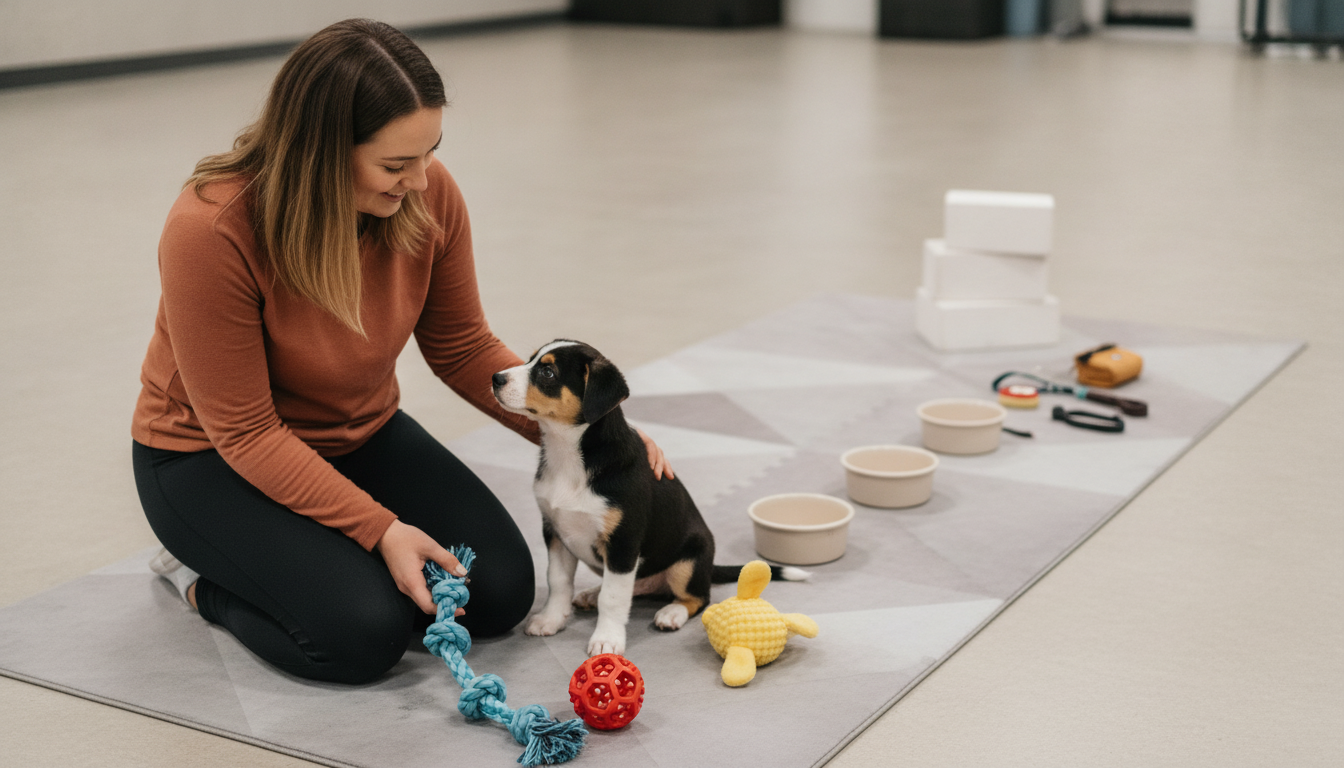
What is the 3-3-3 rule for puppy training?
The 3-3-3 rule is a simple way to set realistic expectations for how many puppies adjust to a new home. It breaks the transition into three stages—roughly the first 3 days, 3 weeks, and 3 months—so training and routines match your puppy’s comfort level instead of pushing too much too soon.
How the 3-3-3 rule works
First 3 days: decompress and feel safe
During the first few days, many puppies are overwhelmed: new smells, new people, a new schedule, and often a recent separation from their litter. Training should focus on calm basics—frequent potty breaks, gentle introductions to the home, and rewarding quiet, relaxed behavior. Keep outings and visitors minimal, stick to a predictable routine, and prioritize sleep. Accidents and clinginess are common here, so manage the environment (crate, puppy pen, closed doors) rather than relying on “perfect” obedience.
First 3 weeks: build routine and trust
By a few weeks in, your puppy typically starts understanding daily patterns—where to potty, when meals happen, and which behaviors earn rewards. This is a strong window for consistent house training, name recognition, simple cues (sit, come, touch), and gentle socialization. Keep sessions short (1–3 minutes), use high-value treats, and reward the exact moment your puppy does the right thing. If problem behaviors pop up (nipping, barking, fear), treat them as feedback: your puppy may need more rest, more structure, or a slower pace.
First 3 months: confidence, boundaries, and real training progress
Around three months, many puppies are settled enough to learn faster and handle more distractions. Continue reinforcing house training, practice leash skills, and add impulse-control games like “wait” at doors or “leave it” with low-stakes items. This stage is also when consistency matters most: the habits you reward now (jumping for attention, pulling, chewing furniture) can become default behaviors later.
For more detailed guidance on setting up a successful routine, visit the full puppy training rule guide.
FAQ
How long does it take to potty train a puppy?
Many puppies show steady progress in a few weeks, but reliable potty training often takes 2–6 months depending on age, schedule consistency, and supervision. Frequent outdoor trips, reward-based timing, and preventing unsupervised wandering speed things up.












Leave a comment