Indoor Cat Enrichment: DIY Toys, Play & Home Setup
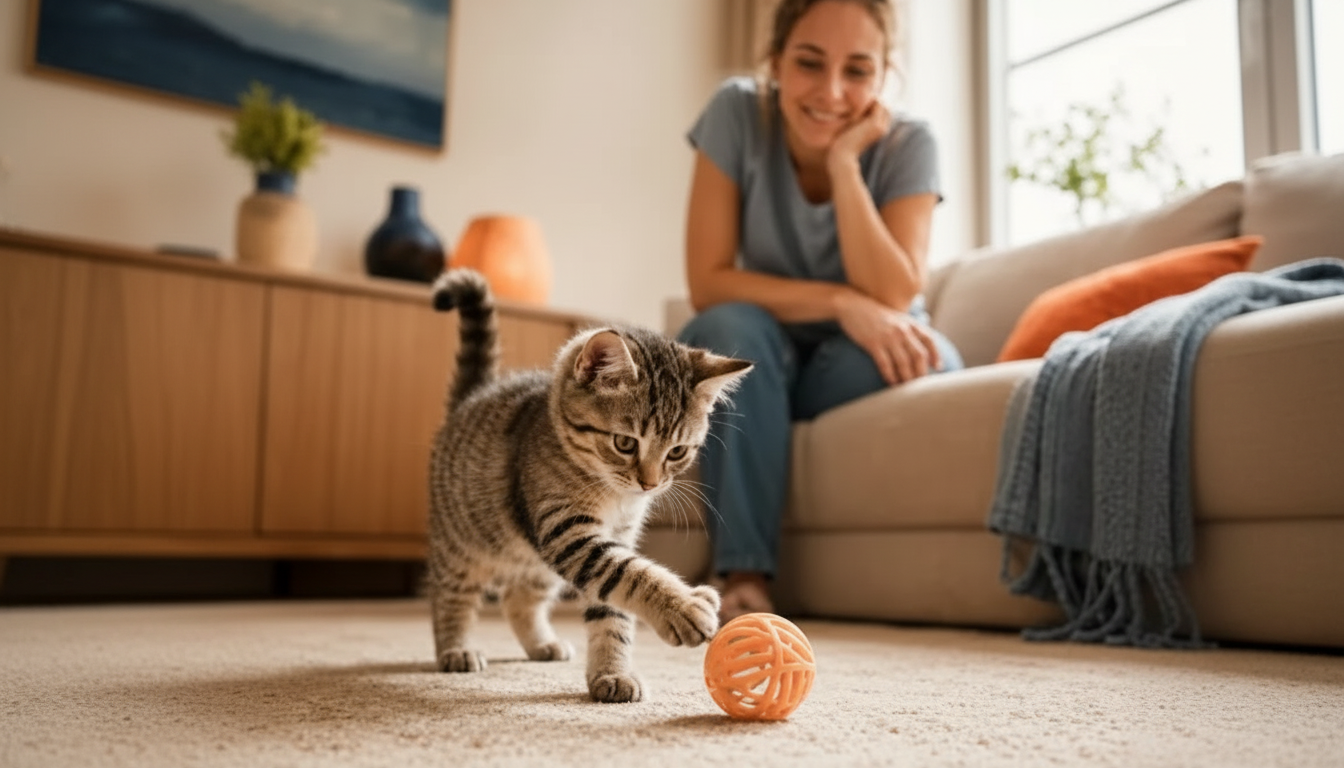
Enrichment Ideas for Indoor Cats: DIY Toys, Daily Play Routines, and a Cat-Friendly Home
Indoor cats thrive when their day includes hunting-style play, problem-solving, safe climbing, and cozy recovery spots. With a few simple routines and small home upgrades, boredom drops, healthy weight is easier to maintain, and natural behaviors (stalking, chasing, scratching, and perching) have a safe outlet—even in an apartment.
For deeper behavior and environment guidance, the American Association of Feline Practitioners (AAFP) environmental needs guidelines and the Cornell Feline Health Center are excellent references.
Start with the basics: what “enrichment” means for an indoor cat
Enrichment is more than “more toys.” It’s the right mix of physical activity, mental work, and emotional comfort so your cat can feel busy, capable, and safe.
- Balance three needs: physical activity (chasing, climbing), mental effort (puzzles, novelty), and emotional comfort (predictable safe resting zones).
- Follow the natural cycle: stalk → chase → pounce → bite → eat → groom → sleep. When play ends with a reward, many cats settle faster.
- Rotate, don’t overload: novelty usually matters more than quantity. Keep a few options out and swap regularly.
- Watch stress signals: overgrooming, hiding, sudden aggression, or litter box changes can mean the routine is too intense—or not predictable enough.
A simple daily play routine that fits real schedules
Most indoor cats respond best to short, consistent play blocks instead of one long workout. Two or three sessions per day (5–10 minutes each) can be enough to prevent “evening zoomies” and reduce attention-seeking behaviors.
- Close the hunt: end play with a small meal or treat so your cat gets the “catch.”
- Use the wand toy rule: move like prey—pause, dart, hide behind furniture, and let your cat “win” frequently.
- Adjust for personality: high-energy cats may need a quick midday session; shy cats often prefer slower, predictable movements and longer pauses.
| Time of day | What to do | Purpose | Low-effort option |
|---|---|---|---|
| Morning | 5–10 min wand play + breakfast | Burn energy; complete the hunt cycle | Toss 10–15 kibble pieces down a hallway |
| Midday | Food puzzle or scavenger hunt | Mental work; slows eating | Hide treats in 3–5 paper cups |
| Evening | 10 min chase/pounce game + dinner | Reduce zoomies; strengthen routine | Laser play followed by a treat (never skip the reward) |
| Before bed | Calm enrichment: grooming, sniffing mat, cozy perch time | Downshift; improve sleep | Catnip kick toy or silvervine chew stick |
DIY toy ideas using common household items
DIY toys can be surprisingly effective because they’re cheap to replace and easy to rotate. The goal is safe, supervised fun—especially with anything string-like or crinkly.
- Paper roll treat roller: fold one end of a toilet paper roll, add a few treats, fold the other end, and poke a couple small holes for scent release.
- Box “ambush” station: cut two paw-sized holes in a cardboard box. Drag a toy past the openings so your cat can pounce and grab.
- Sock kicker: fill a sock with crinkled paper, tie off, and supervise if your cat chews fabric or threads.
- Ribbon-free teaser: swap string/ribbon for sturdy fabric strips or braided fleece to reduce ingestion risk.
- Rotation tip: keep 3–5 toys out, store the rest, and swap every few days to revive interest.
Food-based enrichment that doesn’t turn meals into chaos
Food puzzles and “foraging” games tap into natural seeking behaviors and can help cats who inhale meals too quickly. The key is structure: same rules each day, and calories counted.
- Scatter feeding: spread kibble across multiple small locations so your cat searches and moves.
- DIY puzzle tray: place kibble in a muffin tin; increase difficulty by adding safe balls or scrunched paper between cups.
- Sniff-and-find: hide a few treats at nose level (like a low shelf or cat tree step) to encourage climbing and sniffing.
- Multi-cat homes: separate stations to prevent guarding; consider timed micro-meals if one cat eats too fast.
- Weight management: pull puzzle calories from the daily portion instead of adding extra.
Cat-friendly home tips: vertical space, scratch zones, and calm corners
Your home layout can either support enrichment or accidentally block it. Small changes—especially vertical routes and predictable rest areas—make a big difference in confidence and day-to-day calm.
Problem-solving and training: small challenges that build confidence
A printable guide to make routines easy to follow
If you want a ready-to-print plan you can stick on the fridge, see: Printable Cat Enrichment Guide with DIY toys, play routines, and home tips.
Small add-ons that support your routine
- Enrichment Ideas for Indoor Cats | Printable Cat Enrichment Guide | DIY Toys, Play Routines, and Cat-Friendly Home Tips (digital printable)
- Nike Men’s Green Print T-Shirt (comfortable, easy-going wear for play sessions and grooming time)
- Nike Women’s Grey Printed Leggings (simple, flexible option when you’re on the floor with toys or doing training)
FAQ
How much play does an indoor cat need each day?
Many indoor cats do well with about 15–30 minutes total per day split into short sessions. Adjust based on age, health, and energy level, and end active play with a small meal or treat to help your cat settle.
What are easy enrichment ideas for a cat that seems bored but won’t play?
Try lower-intensity enrichment like treat scavenger hunts, sniffing games, new boxes, window perches, and very slow wand movements with longer pauses. Keep sessions short, rotate toys, and reward any small interaction to build interest.
Are laser pointers safe for cats?
They can be used safely if you prevent frustration by finishing with a physical “catch” (like a toy) and then a food reward. Keep sessions brief and never shine the light in your cat’s eyes.











Leave a comment