Calm Your Mind: Guided Audio Meditation for Anxiety
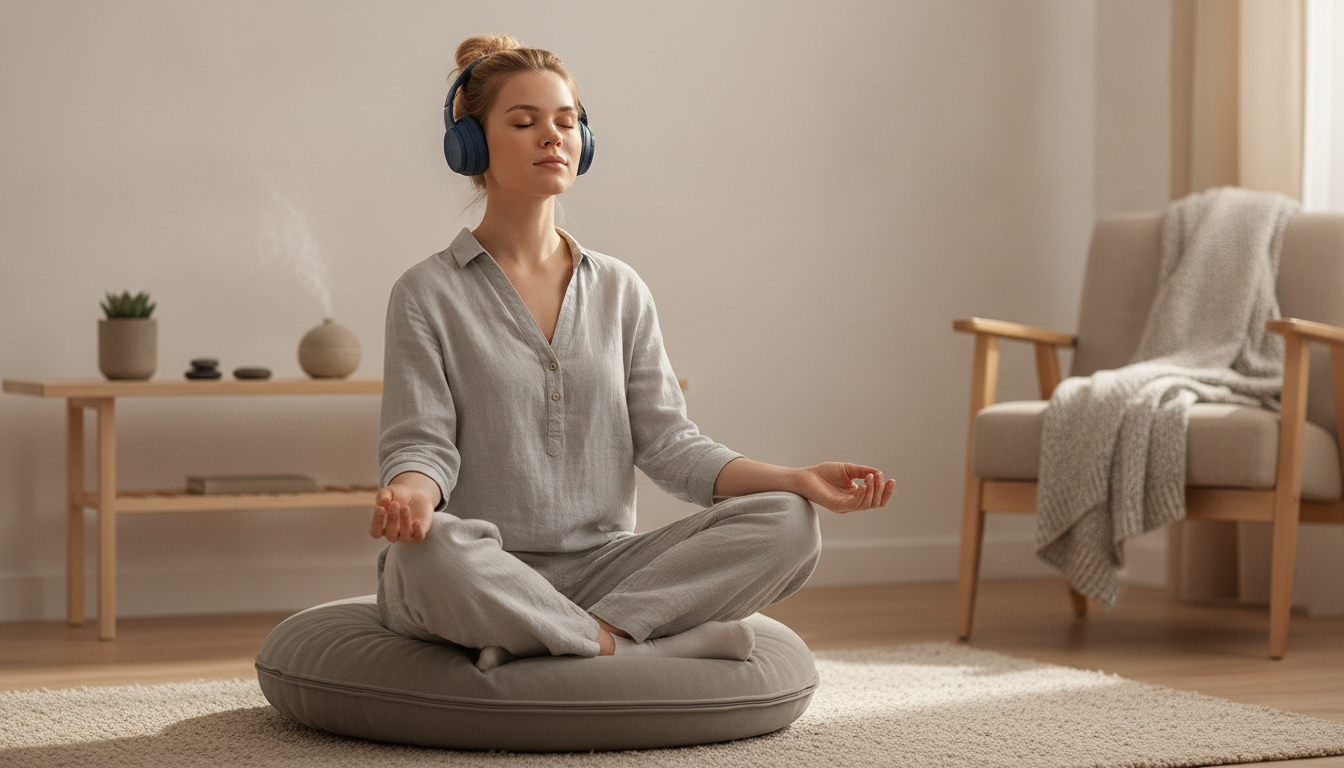
Calm Your Mind: Guided Meditation Audio Course for Anxiety Relief
A steady, guided practice can make anxious moments feel more workable—especially when the steps are simple, repeatable, and easy to fit into a busy day. This guided meditation series is designed to help slow racing thoughts, relax the body, and build a calmer baseline through short, listen-anywhere sessions.
If anxiety tends to show up as mental “what-ifs,” a tight chest, or that restless, keyed-up feeling that makes it hard to settle, guided audio can offer something concrete to return to: a voice, a pace, and a plan. Over time, that consistency can become a reliable cue for your nervous system to downshift.
What this guided meditation series helps with
- Settling mental overactivity and spiraling “what-if” thoughts with structured attention cues
- Easing physical stress responses (tight chest, tense shoulders, shallow breathing) through paced relaxation
- Creating a predictable routine that supports emotional regulation during anxious days
- Building confidence with meditation by following clear prompts rather than meditating “in silence”
Mindfulness and meditation are widely discussed as tools for stress reduction, and reputable health organizations note that these practices may help support relaxation and well-being when used consistently. For a deeper overview, see the Mayo Clinic’s guide to meditation for stress and the American Psychological Association’s mindfulness meditation resources.
How guided audio sessions can reduce anxiety in the moment
- Anchors attention: a steady voice provides a focus point when concentration is difficult
- Downshifts the nervous system: slow breathing cues and body scanning can encourage a relaxation response
- Interrupts worry loops: naming sensations and returning to an anchor helps reduce rumination
- Adds structure: a beginning, middle, and closing reduce the pressure to “do it right”
When anxiety spikes, the mind often tries to solve every future scenario at once. Guided practice offers a different task: notice what’s happening right now, then return—again and again—to a single point of focus. That repetition is the skill. The National Center for Complementary and Integrative Health (NCCIH) also summarizes evidence and safety considerations for meditation and mindfulness practices.
What’s included and how to use it
- Audio-based guided meditations that can be used with headphones or speakers at home, during breaks, or before sleep
- Repeat-friendly sessions: revisiting the same track can be more effective than constantly switching techniques
- Suggested use: start with short sessions daily, then increase duration or frequency during higher-stress periods
- Best setup: a comfortable seated position or lying down, phone on Do Not Disturb, and a consistent time cue (morning, lunch, or bedtime)
Simple weekly listening plan (adjust as needed)
| Day | Session focus | Suggested time | Goal |
|---|---|---|---|
| Mon | Breath anchoring | 5–10 minutes | Settle the mind and notice tension |
| Tue | Body scan relaxation | 10–15 minutes | Release jaw/shoulders/chest tightness |
| Wed | Thought labeling | 10 minutes | Reduce rumination and regain focus |
| Thu | Self-compassion reset | 10–15 minutes | Lower self-criticism and worry |
| Fri | Grounding with senses | 5–10 minutes | Calm spikes of anxiety |
| Sat | Longer calming session | 15–20 minutes | Build endurance with calm attention |
| Sun | Wind-down for sleep | 10–15 minutes | Quiet the body for rest |
Who it’s a good fit for (and when to choose a different approach)
- Good fit: anyone who wants guided steps for relaxation, stress relief, and anxious thought management
- Good fit: beginners who find silent meditation frustrating or distracting
- Good fit: people who want a portable, screen-free tool for commutes, breaks, or bedtime
- Consider additional support if: anxiety includes panic, persistent sleep disruption, or significantly impacts daily functioning—pairing meditation with professional care can be helpful
Guided meditation is a practical skill-builder, not a replacement for care when symptoms feel overwhelming. If anxiety is persistent or escalating, combining relaxation tools with professional support can help create a safer, more complete plan.
Practical tips to get better results from guided meditation
- Start shorter than you think: consistency beats long sessions that are hard to repeat
- Use the same track for a week: familiarity reduces resistance and deepens the calming association
- Let the mind wander without “failing”: the practice is returning to the guidance, not maintaining perfect focus
- Pair with a tiny routine cue: tea, a specific chair, or a 2-minute stretch before pressing play
- Try a gentle exhale emphasis: slightly longer exhales can feel more calming for many people
Product details at a glance
- Title: Calm Your Mind: Guided Meditation Series | Audio Course | Anxiety Relief Meditation
- Format: audio course (listen at home or on the go)
- Price: $28.99
- Availability: In stock
To make daily sessions more inviting, a simple comfort upgrade can help—especially if tension shows up in your shoulders or hips. For a relaxed at-home setup, consider soft, non-restrictive basics like Nike Women’s Grey Printed Leggings or a breathable top such as the Nike Women’s Black Round Neck T-Shirt. If you prefer a looser fit for seated practice, the Nike Men’s Green Print T-Shirt can be an easy option for low-fuss comfort.
FAQ
How often should guided meditation be done for anxiety relief?
Daily or near-daily practice tends to work best for building a steadier baseline. Starting with 5–10 minutes and gradually increasing is often easier to maintain, and repeating the same sessions can strengthen the calming routine.
Can guided meditation help during a sudden anxiety spike?
Yes—short breath-anchoring or grounding sessions can act like a reset when anxiety rises quickly. Find a quieter spot if possible, follow the breathing cues, and gently lengthen the exhales to encourage the body to settle.
Is it okay to fall asleep during a meditation session?
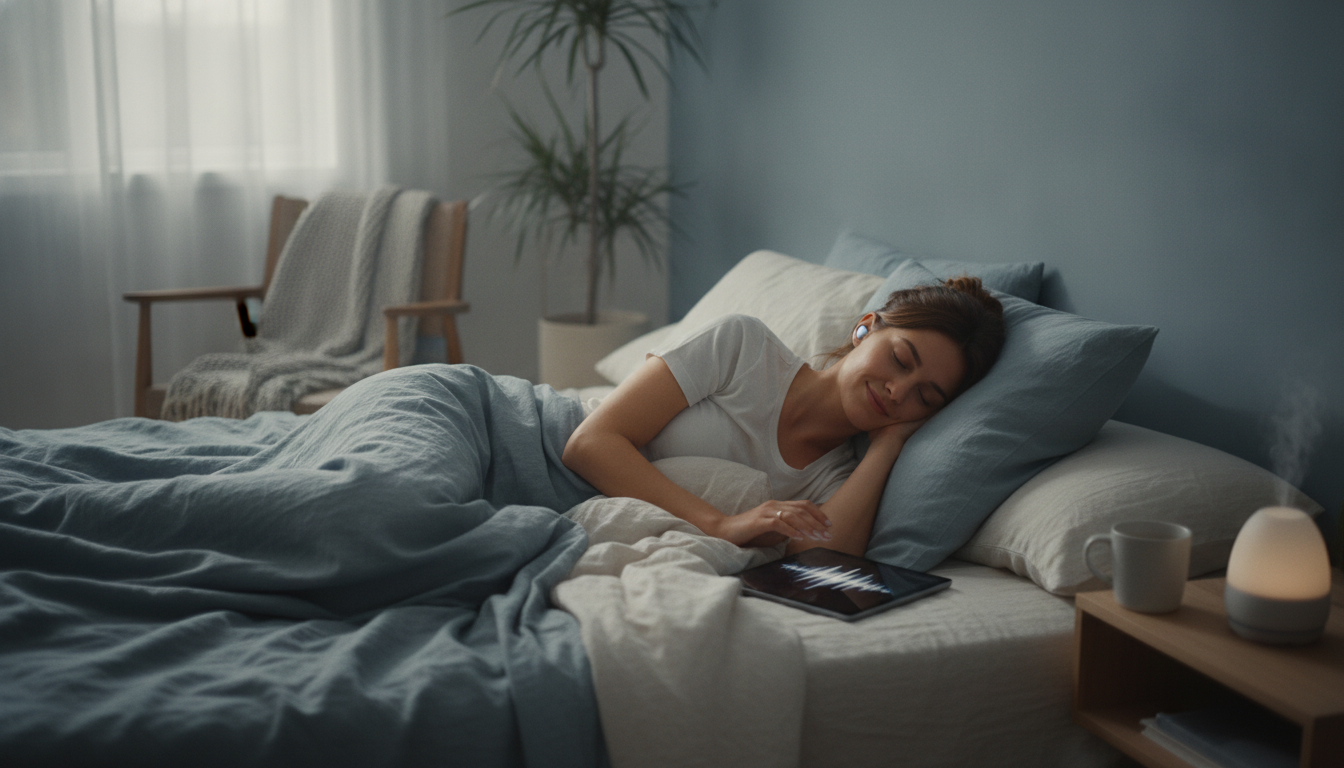
Yes, especially if you’re listening at bedtime; drifting off can be a sign that your body is finally relaxing. For daytime sessions, try sitting up if sleepiness consistently interrupts your practice.










Leave a comment