Can At-Home Workouts Really Get You Fit?
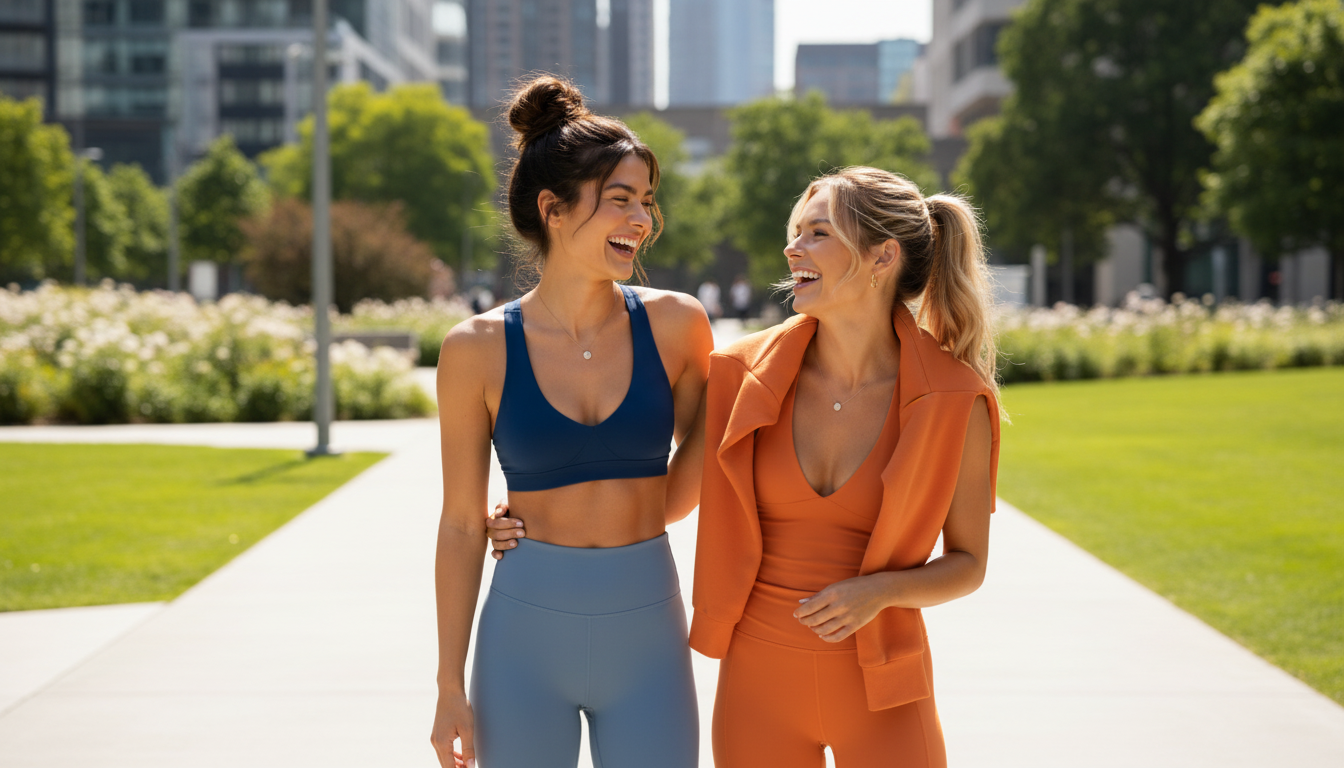
Can you actually get fit from at-home workouts?
Yes—at-home workouts can absolutely get you fit, as long as the plan is structured and you progress over time. “Fit” can mean better strength, improved cardio endurance, more muscle definition, healthier body composition, and greater mobility, and those results don’t require a gym membership. What they do require is consistency, smart exercise selection, and gradually increasing the challenge.
Why at-home workouts work
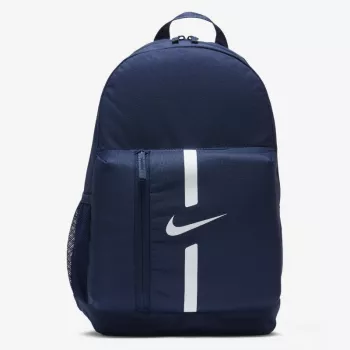
Your body adapts to stress, not to locations. If your routine includes the basics—lower-body pushing and hinging (squats, lunges, hip hinges), upper-body pushing and pulling (push-ups, rows), core stability, and some form of conditioning—you can build a well-rounded fitness base at home. Minimal equipment like resistance bands, a set of dumbbells, or even a sturdy backpack can increase intensity without taking up space.
What makes the biggest difference: progressive overload
Getting fit at home comes down to progression. That can mean adding reps or sets, slowing the tempo, shortening rest periods, increasing range of motion, moving to harder variations, or adding load. Even bodyweight-only training can be progressed (for example: incline push-ups to standard push-ups to decline push-ups).
How fast can you see results?
Many people feel noticeable improvements in energy, mood, and stamina within 1–2 weeks. Visible changes often show up after several weeks, depending on starting point, training frequency, sleep, and nutrition. Pairing workouts with adequate protein, daily movement, and a sustainable calorie intake helps results show up faster and stick longer.
A simple way to follow a proven routine
If you want a clear schedule you can stick with, follow this 4-week at-home workout plan with minimal equipment. It’s designed to keep you training consistently while building strength and conditioning week to week.
FAQ
What equipment do I need for an effective home workout?
You can start with just bodyweight, but a resistance band and a pair of dumbbells (or adjustable dumbbells) make progression easier. A yoga mat and a stable chair or bench are helpful for comfort and exercise variety.









Leave a comment