Easy Cat Enrichment Ideas: Play, Hunt, Climb & Scratch
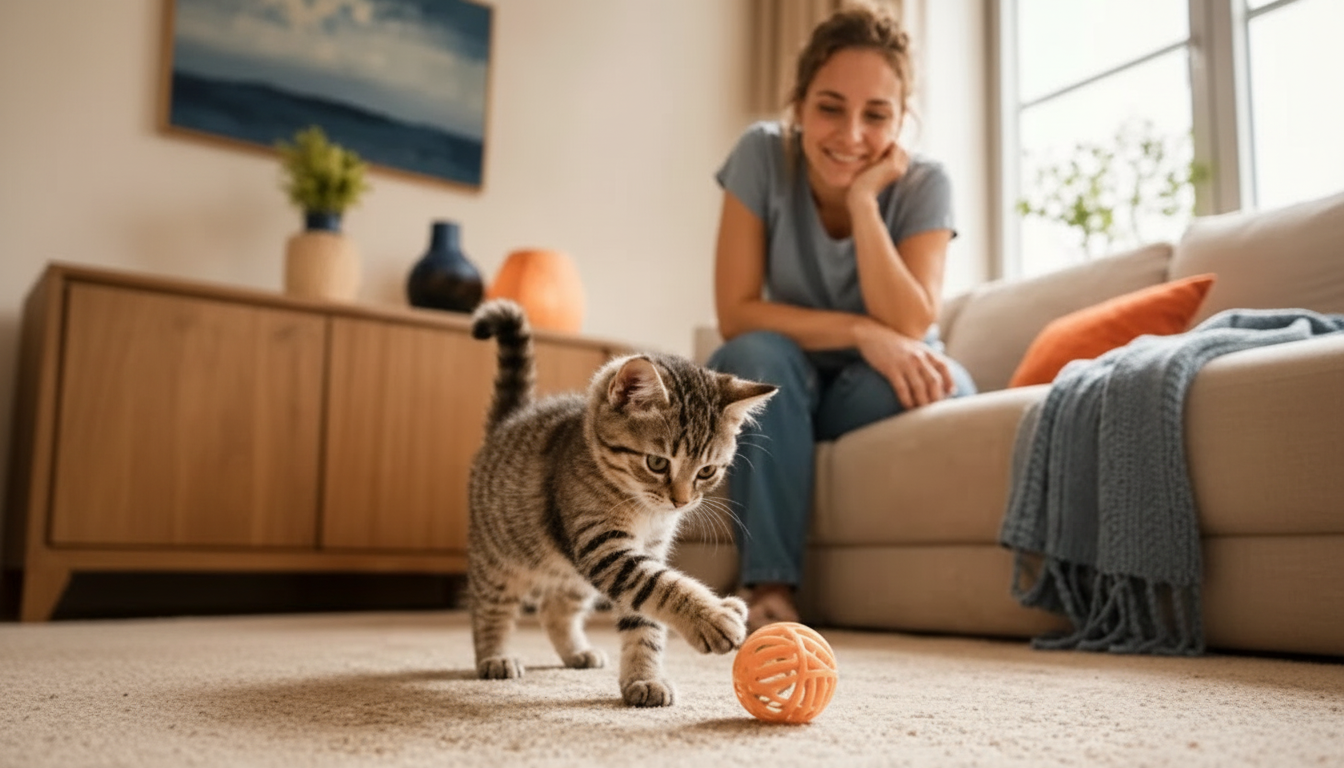
How do I create enrichment for my cat?
Cat enrichment is about satisfying natural instincts—hunt, climb, scratch, chew, and explore—so your cat stays mentally engaged and physically active. The best approach is to rotate a few simple activities throughout the week instead of buying a lot of items all at once.
Start with “hunt and eat” games
Make meals more interesting by using puzzle feeders, treat balls, or a DIY scavenger hunt. Hide a few kibbles in safe spots (behind a chair leg, under an open cardboard “tunnel,” or inside a paper bag with handles removed). This adds mental work and can slow fast eating.
Add vertical space and observation points
Cats feel secure when they can get up high. A sturdy cat tree, wall-mounted shelves, or a cleared bookcase level can become a climbing route. Place one perch near a window for “cat TV,” and consider a bird feeder outside (placed safely so your cat can’t reach it) for extra stimulation.
Provide scratch-and-stretch options
Offer at least one tall vertical scratcher and one horizontal scratch pad. Sprinkle a little catnip (if your cat responds to it) or rub the surface with a toy to encourage use. Scratching helps with stress relief, claw care, and full-body stretching.
Schedule short play sessions
Two or three 5–10 minute play bursts daily can make a big difference. Wand toys, a small kicker toy, or a lightweight ball can trigger chase-and-pounce behavior. End play with a small treat to mimic the “catch” and help your cat settle.
Rotate novelty without chaos
Keep a small “toy library” and swap toys every few days. Add simple, low-cost enrichment like cardboard boxes, paper bags (handles removed), crinkly paper, or a blanket fort—then change the layout occasionally.
For more ideas and a fuller checklist of enrichment options, visit https://dealfever.shop/how-do-i-create-enrichment-for-my-cat/.
FAQ
How can I enrich an indoor cat without spending much?
Use what you already have: cardboard boxes, paper bags with handles removed, DIY treat hunts, and rotated toys. A cleared windowsill perch and short daily wand-toy sessions add a lot of value for little cost.











Leave a comment