10 Iconic U.S. National Parks: Fast Facts for Quick Trips
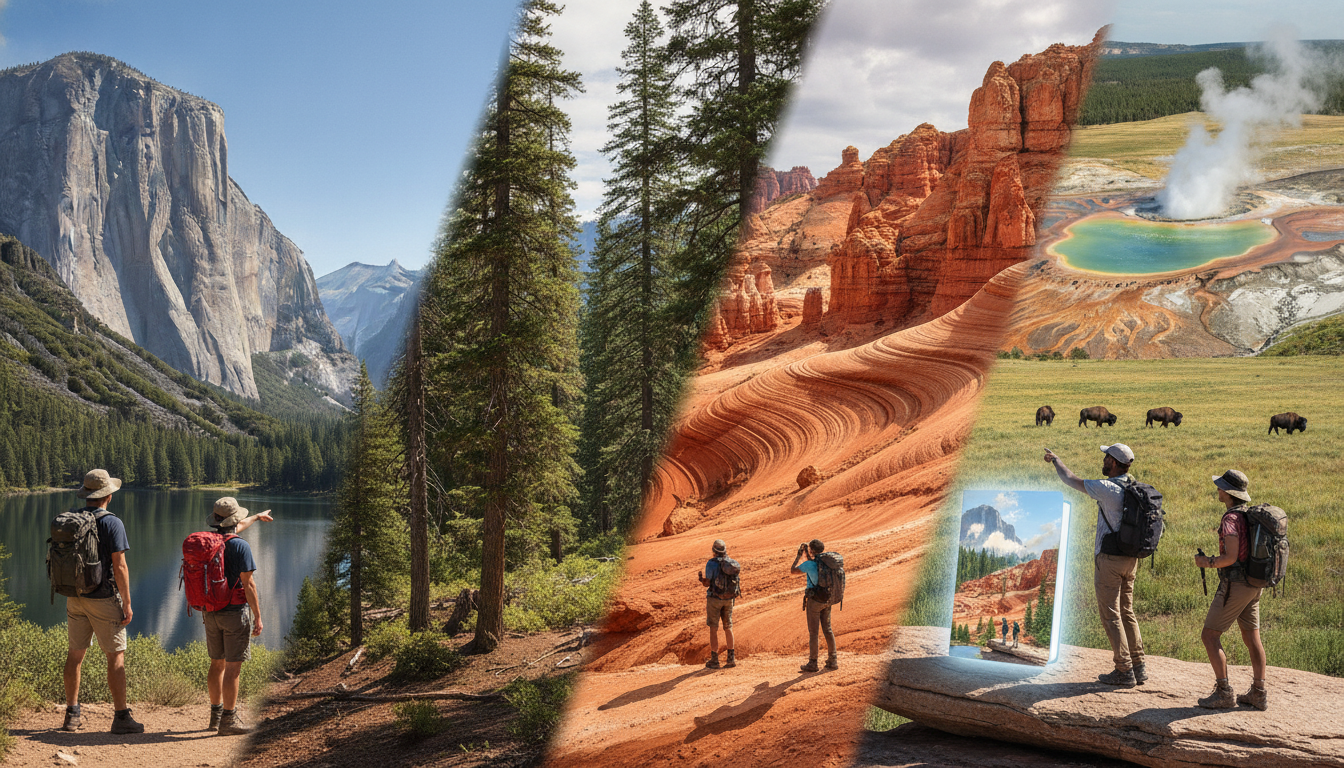
Top 10 Must-See U.S. National Parks: Fast Facts and Trip-Planning Shortcuts
Some national parks reward slow travel and long itineraries; others can be unforgettable with the right fast facts at hand—best seasons, signature hikes, wildlife notes, and simple logistics. Below are ten iconic U.S. national parks, plus quick decision points that help hikers, nature lovers, and adventure planners turn “someday” into a plan.
What “must-see” really means for national parks
“Must-see” isn’t about checking boxes—it’s about parks that consistently deliver high-reward scenery and experiences, even on a first visit or a short trip.
- Iconic landscapes: instantly recognizable views and landmark overlooks that feel worth the travel time.
- High-reward experiences across skill levels: short walks, classic day hikes, and bigger objectives for strong hikers.
- Seasonal variety: parks that shine at different times of year, helping spread trips across the calendar.
- Accessible trip planning: clear entry logistics, road access, and established trails (even if reservations are required).
- Wildlife and geology highlights: features that make the visit richer than the photos—thermal areas, hoodoos, alpine lakes, and more.
Top 10 national parks at a glance
Use this snapshot to narrow options by season, signature sights, and the one planning note most likely to affect your trip. Before booking, double-check current alerts, closures, and reservation rules on the National Park Service site, including the consolidated NPS Park Alerts page.
| Park | Best time (typical) | Signature experiences | Fast planning notes |
|---|---|---|---|
| Yosemite | May–Oct | Valley viewpoints, waterfalls, granite domes | Summer crowds; consider shoulder-season stays and shuttle use |
| Grand Canyon | Mar–May, Sep–Nov | South Rim overlooks, corridor trails | North Rim is seasonal; plan hydration and sun protection |
| Zion | Mar–May, Sep–Nov | Canyon hikes, riverside walks | Shuttles in peak season; check permit rules for popular routes |
| Yellowstone | May–Sep | Geysers, hot springs, wildlife | Distances are big; start early and plan for traffic and bison jams |
| Glacier | Jul–Sep | Alpine lakes, scenic drives, hikes | Road access is seasonal; verify reservation/entry systems if applicable |
| Rocky Mountain | Jun–Oct | High-elevation vistas, tundra walks | Altitude affects pace; start acclimation-friendly days first |
| Arches | Mar–May, Sep–Nov | Natural arches, short trails | Heat is serious in summer; sunrise hikes reduce crowding |
| Bryce Canyon | May–Oct | Hoodoo amphitheaters, rim-to-floor hikes | Cooler temps; traction may be needed in shoulder seasons |
| Acadia | Jun–Oct | Coastal trails, carriage roads, sunrise | Consider early starts; plan parking and shuttle options |
| Great Smoky Mountains | Apr–May, Oct | Waterfalls, forests, wildlife viewing | No entrance fee, but parking tags/permits may apply |
Fast facts that make planning easier
- Time needed: many first visits work best as 2–3 nights. Pick one region (one canyon, one valley, one scenic drive corridor) instead of trying to cover the whole map.
- Weather reality: deserts demand a heat plan (early starts, shade breaks, electrolytes). Mountain parks demand layers, storm awareness, and a willingness to pivot.
- Crowd strategy: sunrise starts, midweek travel, shoulder seasons, and “secondary” trailheads can feel like a cheat code for quieter miles.
- Reservations and permits: timed entry, shuttle tickets, popular trail permits, and campgrounds can define your itinerary more than trail fitness.
- Safety baseline: water capacity, sun protection, navigation backup, and wildlife distance rules matter everywhere—especially where bison, bears, or narrow ledges are involved.
Park-by-park highlights (what to prioritize on a first visit)
Yosemite
Pair a valley viewpoint circuit with a waterfall-focused walk, then add a higher-elevation stop if Tioga Road is open. If parking feels like the main obstacle, build your day around shuttle-friendly stops.
Grand Canyon
Choose one overlook sequence (sunrise or sunset) plus a corridor trail segment. Turnaround times should be conservative—climbing out is the hard part, and the canyon’s scale tricks pacing.
Zion
Yellowstone
Glacier
Rocky Mountain
Arches
Bryce Canyon
Acadia
Great Smoky Mountains
Simple itinerary templates (1 day, weekend, long weekend)
Packing and gear notes for hikers and adventure planners
- Core day-hike kit: water capacity, snacks, layers, sun protection, headlamp, basic first aid, and a navigation backup.
- Footwear and clothing: prioritize comfort and moisture management—temperature swings are normal in mountain parks.
- Weather readiness: rain shell for alpine parks; extra electrolytes for desert parks; traction in shoulder seasons when trails ice up.
- Leave No Trace: stay on durable surfaces, pack out waste, respect wildlife distance, and keep noise low; review the Leave No Trace 7 Principles before your trip.
A handy digital companion for park fast facts
- Top 10 Must-See U.S. National Parks + Fast Facts | Digital Travel Guide eBook for Nature Lovers, Hikers & Adventure Planners
- Nike Men’s Green Print T-Shirt
- Nike Women’s Grey Printed Leggings
For official park basics like operating seasons and details by destination, use the National Park Service “Find a Park” directory as your starting point.
FAQ
Which U.S. national park is best for a first-time visit?
Pick based on season, tolerance for crowds, and the scenery you want most: Yosemite for granite-and-waterfall icons, Acadia for coastal variety, or Bryce Canyon for a compact, high-impact landscape. If timed entry or shuttles stress you out, aim for shoulder-season dates and simpler day plans.
How many days are enough for a national park trip?
A day trip works for a scenic drive plus a short hike, but 2–3 nights is the sweet spot for one region and a flagship hike. Four or more nights lets you add a buffer for weather, a second region, and at least one quieter trail.
What should be checked before heading to a national park?
Confirm current alerts/closures, reservation or timed-entry requirements, weather forecasts, trail conditions, and any wildlife advisories. Also review road rules for your route (seasonal closures, traction requirements, and shuttle operations where applicable).












Leave a comment