Vacuum Anxiety in Pets: Calm Training for Dogs & Cats
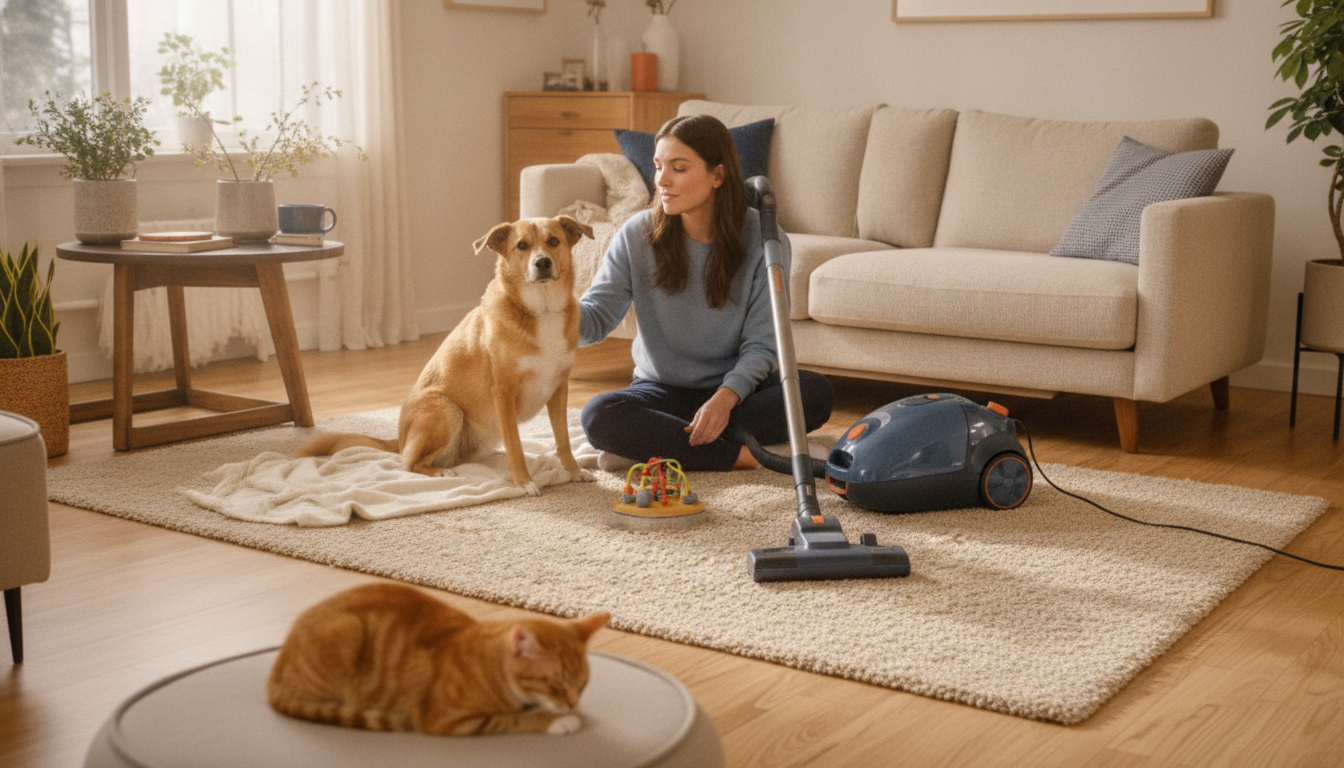
Helping Pets Handle Vacuum Stress: A Calm, Step-by-Step Routine for Dogs and Cats
Some pets react to vacuums with panic, barking, hiding, swatting, or bolting. The noise, vibration, and unpredictable movement can feel threatening—especially for anxious pets or those with sensitive hearing. A structured plan can reduce fear over time while keeping everyone safe during cleanup. For more guidance, see From Stress to Serenity: OSU expertise helps Lucy the dog ….
Why vacuums feel scary to some pets
To a dog or cat, a vacuum can look and sound like an unpredictable “thing” invading their space. Common reasons include: For further reading, see Fearful dogs.
- Loud, sudden sound with a harsh pitch that can be uncomfortable for sensitive ears.
- Big object with erratic movement that approaches, turns, and changes direction quickly.
- Airflow, vibration, and static that can surprise the pet or feel unpleasant against fur and whiskers.
- Past experiences (being chased, cornered, or scolded during cleanup) that create a negative association.
- Guarding behavior, where the vacuum is treated like a “rival” near favorite people, couches, or beds.
Stress signals to watch for before it escalates
Catching stress early prevents a full-blown panic response and helps training move faster.
- Dogs: lip licking, yawning, whale eye, tucked tail, pacing, barking, lunging, freezing, or trying to herd the vacuum.
- Cats: flattened ears, tail swishing, crouching, hiding, growling, swatting, or sudden sprinting.
If a pet is trembling, attempting to escape, or showing aggression, pause the session and prioritize safety with separation and calm downtime.
Set up a low-stress vacuum routine
Before any training plan, make day-to-day cleaning less intense. Small changes can prevent setbacks.
- Create a safe zone: a closed bedroom, covered crate, or quiet corner with a familiar bed and water.
- Use sound masking: start white noise, a fan, or calm music before the vacuum turns on so the change is less jarring.
- Schedule strategically: vacuum after exercise/play and after meals when pets are more relaxed and less reactive.
- Reduce intensity: use a lower power setting if available, and avoid tight hallways where pets can feel trapped.
- Keep movement predictable: vacuum in straight lines and avoid pushing directly toward your pet.
For general behavior guidance, the American Veterinary Medical Association (AVMA) and the ASPCA training resources both emphasize calm, consistent routines and reward-based methods.
Desensitization and counterconditioning plan (short sessions)
The goal is simple: teach “vacuum predicts good things” while keeping your pet under threshold (no panic). Keep sessions short (1–5 minutes), repeat 3–5 times per week, and only progress when your pet stays relaxed.
Stage 1: Vacuum off (neutral presence)
Place the vacuum in the room while it’s off. Reward calm looks, sniffing, and loose body language. If your pet chooses distance, that’s okay—reward from where they feel safe.
Stage 2: Vacuum moves silently
Roll the vacuum briefly without turning it on. Toss treats away from the vacuum so your pet can move farther if they want. This builds confidence and choice.
Stage 3: Sound at a distance
Turn the vacuum on in another room for 1–3 seconds. Reward immediately, then turn it off. Repeat a few times and end while your pet is still comfortable.
Stage 4: Sound in the same room (far away)
Start with the vacuum as far as possible. Reward calm behavior (soft eyes, relaxed posture). Stop before stress spikes, even if that means only a few seconds at first.
Stage 5: Normal vacuuming (gradual build)
Increase duration slowly and keep rewarding. Continue allowing your pet to leave to their safe zone whenever they choose. Choice is calming.
Quick progress guide: when to advance or step back
| Pet response | What it means | Next step |
|---|---|---|
| Ears neutral, soft eyes, sniffing, taking treats | Comfortable and learning | Repeat once more, then slightly increase time or reduce distance |
| Stiff body, staring, low growl/meow, refusing treats | Approaching threshold | Increase distance, shorten session, return to an easier stage |
| Hiding, trembling, lunging, barking nonstop, swatting | Over threshold and fearful | Stop immediately; move pet to safe zone; resume later at a much easier stage |
Training cues that make vacuum time easier
If you want more low-stress handling principles to borrow for home routines, the American Animal Hospital Association (AAHA) has helpful educational resources on fear reduction.
Ways to reduce the noise and triggers
When fear is severe: safety and professional help
Helpful product option for calmer cleanup sessions
If you’re building a more predictable routine, Helping Pets Handle Vacuum Stress is designed to support a calmer environment during common household triggers. It’s best used alongside a consistent plan: safe zone setup, short training sessions, and dependable rewards.
For comfort during longer training sessions and housework, some pet owners also like breathable, easy-care basics such as the Nike Men’s Green Print T-Shirt or Nike Women’s Black Round Neck T-Shirt.
FAQ
How long does it take for a pet to get used to the vacuum?
Many pets improve over a few weeks with consistent, under-threshold practice, while more sensitive pets may need a few months. Signs you’re on track include taking treats, choosing to stay in the room briefly, and recovering quickly after the vacuum turns off; slow down if your pet starts refusing treats or escalating.
Should the pet be in the same room while vacuuming?
For most pets, routine cleaning is easiest when they can relax in a safe zone behind a door or gate. Training sessions can happen briefly at a distance, but comfort and safety matter more than “toughing it out” during full-house vacuuming.
What if the pet tries to attack the vacuum?
Manage first: separate your pet with a closed door or gate and avoid punishment, which can increase fear. Restart training at a much easier stage (more distance, shorter sound bursts), and seek professional help if the behavior is intense or hard to interrupt safely.










Leave a comment